Introduction: Why Gut Health Matters
In holistic health and modern medicine alike, gut health is now widely recognized as a cornerstone of total wellness. Beyond digestion, the health of your gut influences immunity, hormonal balance, mental clarity, and even skin vitality. It’s not just a wellness trend — the latest research confirms that nurturing your gut microbiome is one of the most impactful things you can do for your overall health.
The gut contains trillions of microorganisms, collectively known as the gut microbiome. When balanced, these beneficial bacteria support everything from nutrient absorption to mood regulation. When imbalanced, they’re linked to chronic inflammation, weakened immunity, and even anxiety or depression. This article explores the science-backed reasons why gut health is foundational — and how you can naturally support it for lasting well-being.
The Gut-Brain Connection: A Brief Overview
The gut and the brain are intricately linked through a bidirectional communication network known as the gut-brain axis. This complex system involves neural, hormonal, and immune pathways that allow the gut microbiota to influence brain function and behavior, and vice versa (Cryan et al., 2019).
The primary neural route of this communication is the vagus nerve, which transmits signals from the gut to the brainstem. Gut microbiota can modulate the production of neurotransmitters such as serotonin, a significant proportion of which (over 90%) is synthesized in the gastrointestinal tract (Yano et al., 2015). Changes in gut microbial composition have been associated with conditions like depression, anxiety, and even neurodegenerative diseases, highlighting the gut microbiota’s potential role in mental health (Morais et al., 2021).
Recent studies suggest that dietary interventions and probiotics may positively influence this axis by restoring microbial balance, thus improving mood and cognitive function (Dinan & Cryan, 2017). As research progresses, the gut-brain connection offers promising therapeutic avenues for treating psychiatric and neurological disorders.
What Is the Gut Microbiome?
Your gut microbiome is a complex, dynamic ecosystem of bacteria, fungi, viruses, and other microorganisms living in your digestive tract. These microbes help metabolize food, synthesize essential vitamins, regulate inflammation, and communicate with your brain and immune system.
According to a 2017 review in Nature Reviews Gastroenterology & Hepatology, microbial diversity is directly linked to enhanced immune resilience and better metabolic function. A richer, more diverse microbiome means stronger defenses against disease and chronic inflammation.
The Essential Functions of a Healthy Gut
When functioning optimally, the gut does far more than break down food. Its contributions to whole-body wellness include:
- Digestive Efficiency: Effectively breaks down fibers and complex carbohydrates, aiding nutrient absorption.
- Immune Defense: Hosts up to 70% of your immune system, according to Cell (2018).
- Mental Health Support: Produces neurotransmitters like serotonin and influences the gut-brain axis, affecting mood and cognition.
- Anti-Inflammatory Regulation: Balances inflammatory responses, protecting against systemic illness.
Signs of an Unhealthy Gut
When your gut flora becomes imbalanced, known as dysbiosis, it manifests in various ways. Clinical studies have identified common warning signs including:
- Digestive Issues: Bloating, constipation, or diarrhea (Journal of Gastroenterology, 2019).
- Chronic Fatigue and Brain Fog: Linked to microbial imbalances (Frontiers in Neuroscience, 2018).
- Skin Problems: Eczema, acne, or rosacea often correlate with gut health disturbances (Clinical, Cosmetic and Investigational Dermatology, 2020).
- Heightened Anxiety or Depression: Disrupted gut-brain axis influences mood disorders (Psychiatry Research, 2017).
Evidence-Backed Ways to Restore Gut Balance
Emerging research highlights simple, natural ways to cultivate a thriving gut microbiome:
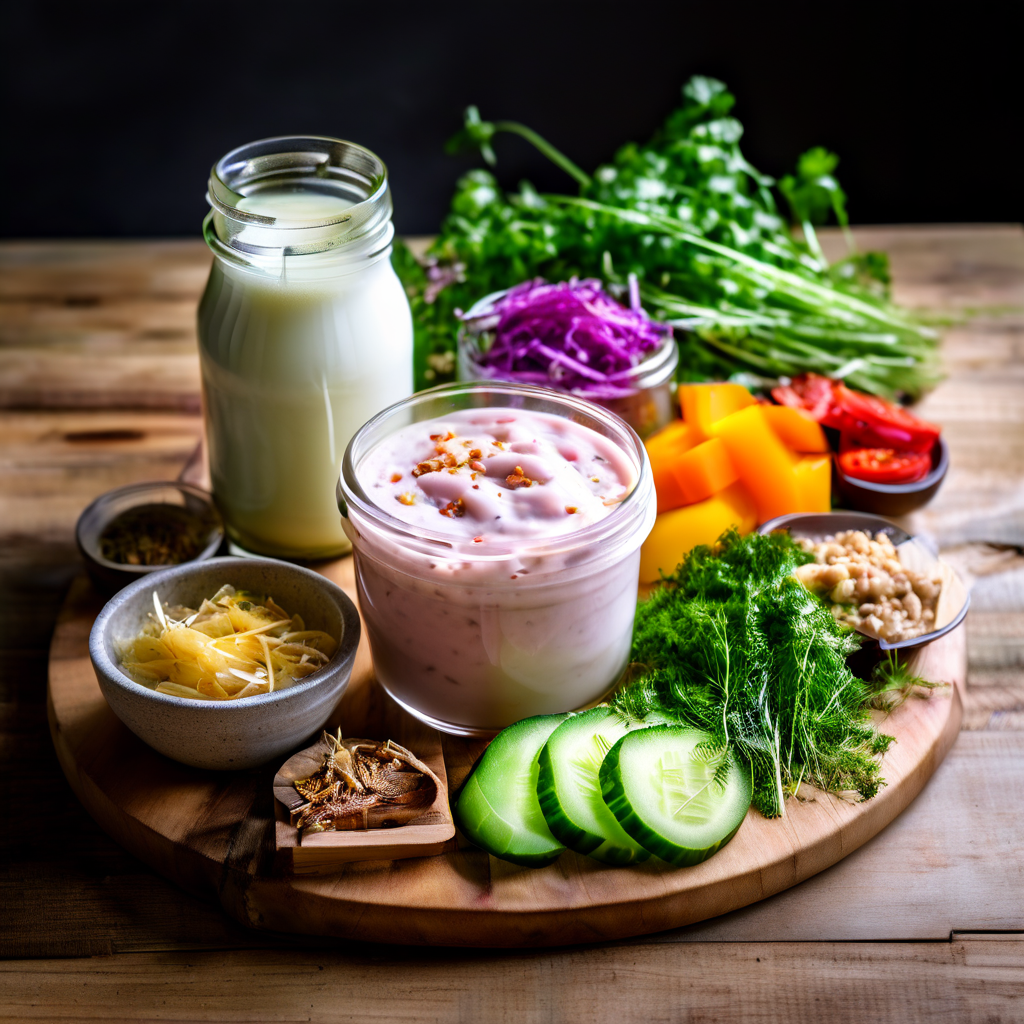
- Eat Probiotic-Rich Foods: Fermented foods like kefir, kimchi, sauerkraut, and miso replenish beneficial bacteria (Cell Host & Microbe, 2021).
- Add Prebiotic-Rich Plant Fibers: Foods such as garlic, leeks, asparagus, and oats feed existing good bacteria (American Journal of Clinical Nutrition, 2019).
- Limit Processed Foods: High-sugar, ultra-processed diets disrupt microbial diversity (British Medical Journal, 2020).
- Prioritize Stress Reduction: Meditation and breathwork reduce stress-driven microbiome disturbances (Neurogastroenterology & Motility, 2020).
Gut Health’s Influence on Immunity and Mental Health
Over 70% of immune function resides in the gut. Microbes regulate immune responses, protect against pathogens, and moderate inflammation. Studies also confirm the gut-brain connection: gut bacteria influence neurotransmitter production, directly affecting mood and cognitive clarity. Optimizing gut health is one of the most effective ways to improve both your immunity and emotional resilience.
Conclusion: Trust Your Gut for Whole-Body Wellness
From digestion to immunity, mood, and energy, your gut microbiome plays a central role in total wellness. The latest research confirms that balancing your microbiome through probiotic foods, fiber-rich plants, stress reduction, and mindful living offers measurable health benefits. Prioritize your gut, and you’ll notice improvements across every system in your body — naturally.
Because in the world of holistic health, one timeless truth remains: when your gut thrives, you thrive.
 Your Health, Your Hands
Leave a comment